I was once embarrassed to admit how much the game of Dungeons & Dragons has influenced my writing. Back in my day, serious writers would never admit to basing their fiction on anything so mundane, so pedestrian, so childish. Serious writers wore jackets with elbow patches, smoked pipes and cigars, and studied Russian and French literature between bouts of alcoholism and wrestling with their typewriters. Of course, the world has changed dramatically since then. The Satanic Panic that drove my fourteen-year-old self into having nightmares, into hiding books from my mom, and tearing pages from my beloved Monster Manual, is viewed today as a collective episode of insanity. The children of the ’70s and ’80s who grew up throwing funny-sided dice have all turned into bestselling fantasists like George R.R. Martin and Brandon Sanderson. Stranger Things, Netflix’s most successful series, is a virtual love letter to D&D, with its childhood stars regularly referencing the game. And the latest book craze, Dungeon Crawler Carl, proudly wears its love for the game on its cover, something I would not have had the courage to do myself. So why in this day and age should I be afraid to express how D&D has affected my writing career and the world of Aenya?
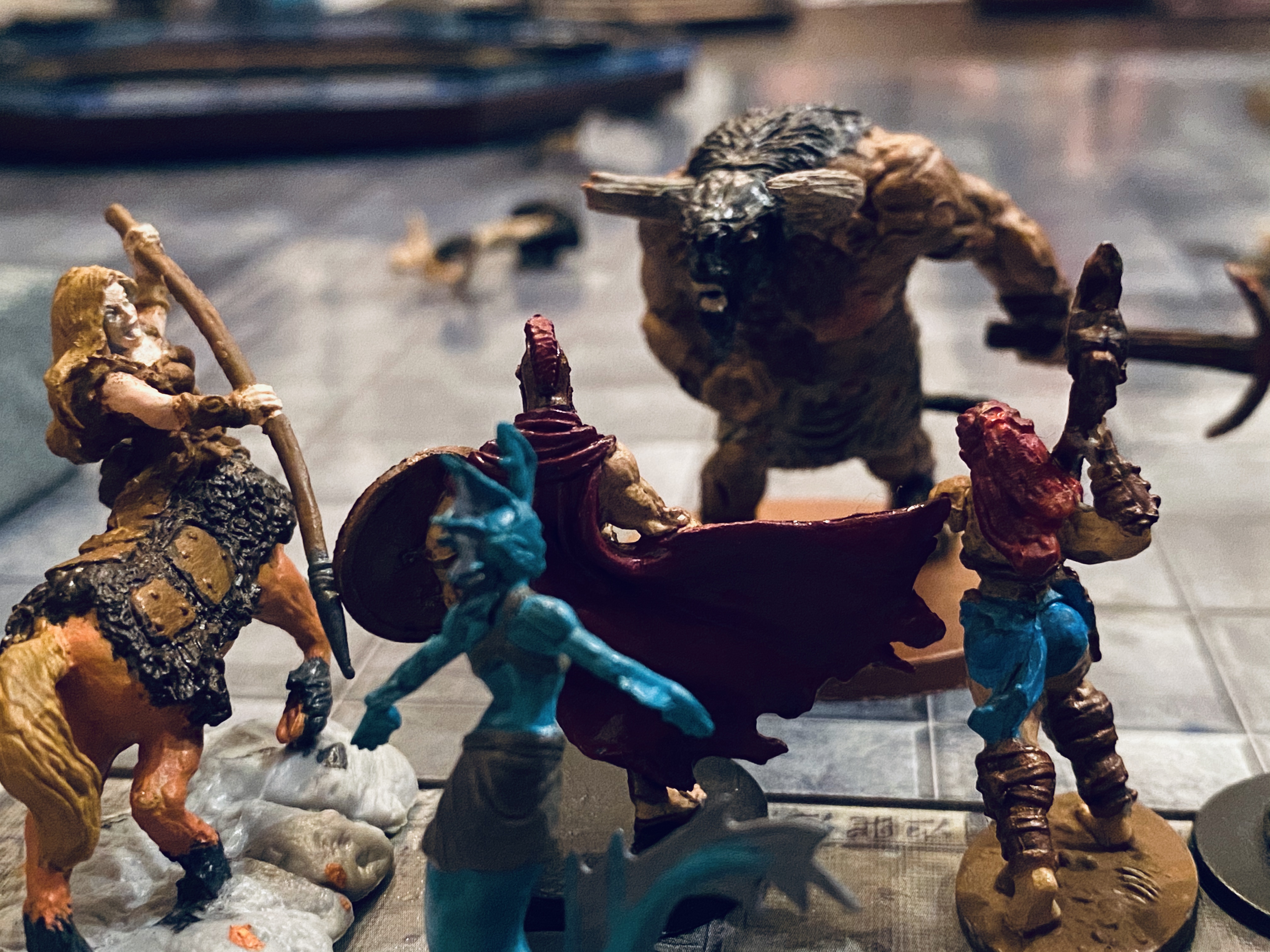
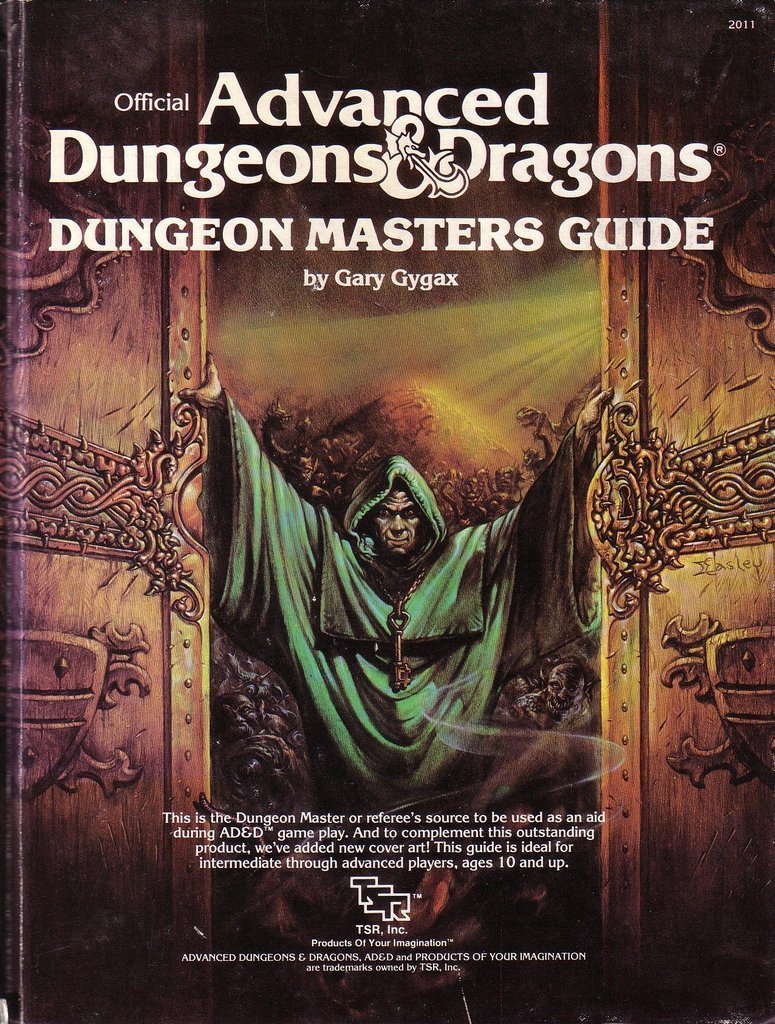
Discovering Dungeons & Dragons as a fourteen-year-old was like throwing gasoline on the fire of my already overactive imagination. If I am to be perfectly honest, D&D has had a greater impact on my writing than anything in any other medium, aside from possibly He-Man and the Masters of the Universe, which made me fall in love with fantasy in the first place. Much as I’d love to owe my career to Lovecraft, Frank Herbert, or T.H. White (all of whom played a part in what I do today), it’s really Gary Gygax I should most be thanking. I owe Gygax for much of Ages of Aenya (The Serpent’s Eye was lifted from a specific campaign); for the creation of Ugh, the beloved goblin character in The Princess of Aenya; and for The Feral Girl: Gamer Edition. My yet-to-be-released current book, The Magiq of Aenya, probably wouldn’t exist if not for the ten-year D&D adventure I ran for my wife and daughters.
But this game I have loved for three decades has recently come under fire due to the greed and, dare I say, unethical business practices of Hasbro, the billion-dollar toy company responsible for Transformers and My Little Pony. As a result, fans of Dungeons & Dragons have become social pariahs in some online circles, especially YouTubers, who once made a living giving advice on running the game, and who now promote indie titles like Shadowdark, Daggerheart, and Draw Steel, none of which would exist without the OG TRPG. It seems taboo even to admit you prefer D&D over these new systems. But I think hating on a 50-year-old game due to its current owners’ practices is a mistake. It’s a mistake because TRPGs like D&D don’t really belong to them. Games of imagination can’t be owned by anybody. What TSR (the original creators of the game founded by Gygax), Wizards of the Coast, and Hasbro have never understood is simply this: Dungeons & Dragons belongs to us, the players. Unlike video game IPs, nobody can “own” pretend; nobody can have a monopoly on storytelling—much as Jeff Bezos wishes he could. In D&D, we decide the rules, the mechanics, and the tools needed to run it. It has always been our game and always will be.
 The Art of Storytelling
Leave a comment