
As a Greek storyteller and history buff, you know I had to offer my take on the latest Greek epic to grace the silver screen. And I am happy to say, Christopher Nolan delivers. While it is far from the Lord of the Rings-perfection audiences were hoping to see, this version of The Odyssey ranks amongst the finest films ever produced. Ignoring the controversy surrounding the history and mythology behind it — something that has been used to feed algorithm-hungry social media platforms and the rage machine that has become our current political discourse — Nolan’s Odyssey is beautifully shot, using real-world locations, real boats, and zero green screen. More importantly, it is beautifully told. But this is not a lyric-by-lyric translation of Homer, nor should anyone expect it to be. Filmmaking is its own medium, with its own strengths, weaknesses, and techniques, and for anyone—historian or otherwise—to expect it to conform to a three-thousand-year-old oral poem is fooling themselves. All fiction, regardless of origin, reflects the time, place, and attitudes of the people who made it. The 2026 version of The Odyssey reflects our current values and beliefs the way past retellings reflected the ages in which they were made. Nolan is, first and foremost, a storyteller. He is the bard of our time, dusting off this age-old tale for a new generation (and thank Athena for that!). It is a tale that has been shaped and reshaped for centuries—it’s the story of a tragic, war-torn, arrogant figure of “many ways” forever pining for home.
While I prefer Ralph Fiennes’ subdued portrayal in The Return, Matt Damon does better here than I expected. Much like Fieness, his Odysseus struggles with PTSD, the virtues of glory and hospitality, “Zeus’s Law,” which was paramount to the Bronze Age, and ultimately, his search for redemption in the eyes of his god, wife, and people. Anne Hathaway’s Penelope ultimately steals the show, and Tom Holland’s Telemachus makes you forget he ever played Spider-Man. My biggest gripe, however, was Nolan’s deadly-serious tone. Like Oppenheimer and Dunkirk, he treats the poem with the heavy-handedness of a real-world biopic, which I often found at odds with a movie featuring one-eyed giants and witches who turn men into pigs. But while I would have preferred a bit more humor, whimsy, and historical accuracy, the movie won me over and moved me to tears, and any story that can do that deserves my thumbs up.
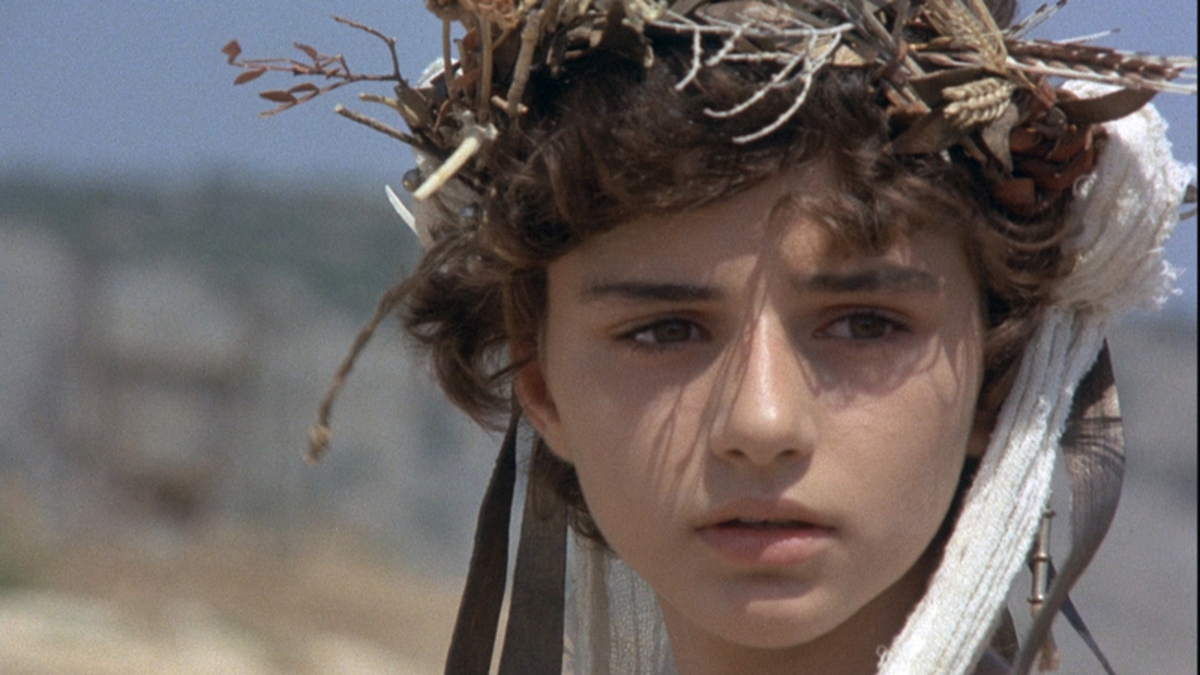
Now, I would be remiss not to mention this hidden gem of a film. If you’re looking for a more authentic telling of the classics, a film that more closely reflects the attitudes of the Greek people, or if you’re just hungry for more Homeric poetry, I can’t recommend Iphigenia enough. This 1977 foreign film by Greek director Michael Cacoyannis is based on the ancient play by Eurypedes, stars an all-Greek cast, and, unless you’re an unfeeling robot, it will pull your heartstrings in all the best and worst ways.


Leave a Reply