
Listen, I loathe Andrew Tate as much as the next pink-haired liberal. I am also aware that I am “just some dude” and have no horse in this race. Still, I consider myself an ally. I care deeply about the women in my life: my wife and two daughters, and I want nothing more than for them to have all the opportunities men have been afforded since forever. In this hyper-politicized climate, we tend to forget what feminism is for, and that every person with an ounce of decency should consider themselves a feminist. There was a time when women weren’t allowed to vote, divorce their husbands, buy a house, or find a job. And contrary to what most right-wing influencers will tell you, this wasn’t all that long ago. Not until 1974, the year before I was born, could women own a credit card without having a male sign for them. I am convinced we ended up with Donald Trump due to sexism. Our current president ran for office three times, winning twice against his female opponents while losing to a nearly senile Joe Biden.
The far-right is fueled by the idea that women don’t *actually* want equality, but a position of superiority, and worse, that modern feminists blame all men for centuries of oppression. This narrative, while false, isn’t entirely unwarranted. I know feminists who will unapologetically declare: “I hate men” or “all men are abusers.” I see it in popular fiction quite often, in fact, by feminist authors (I won’t name names) who take a very combative view of the sexes. And therein lies the problem. Feminists need to do more than point and say: men = bad. It isn’t that men should be excused for their actions or past transgressions, but that there are those of us in need of a positive role model—Most young men I know genuinely want to be good, decent, respectable, and kind, but don’t know the best way to go about it.
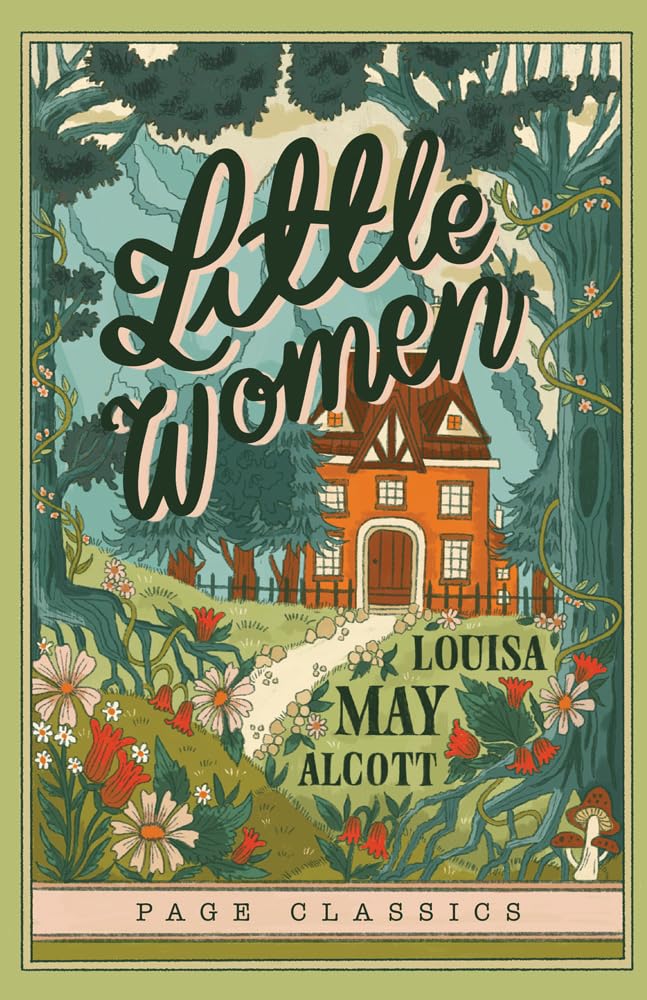
For this reason, I often find women’s classic literature so much more impactful. Novels like Frankenstein and Pride and Prejudice speak from the female author’s point of view, showing us what life was like for women a century ago, and why equality matters and continues to matter today. There is probably no better example of this than Louisa May Alcott’s 1868 novel, Little Women. The story follows four sisters’ lives from childhood to early womanhood, detailing their struggles with poverty, illness, and family drama. Alcott never beats you over the head with women’s rights issues; instead, she focuses on her religious and spiritual beliefs and the more pressing economic hardships of her day. But the March girls—Meg, Jo, Beth, and Amy—prove as intelligent, creative, and resourceful as Huckleberry Finn. These aren’t damsels waiting for a man to tell them what to do. Jo writes and publishes stories. Beth plays the piano. On rainy days, they play-act Shakespeare in the living room. They give themselves code names and even make secret clubs, reminding me of the Panthers team I created in elementary school. But the girls miss and adore their father dearly (who has gone off to war), and the “perfect gentlemen” they later meet serve as perfect role models for boys of today. The message isn’t so much that women need men to be happy, but that we all need one another. And Alcott’s epic tale of life and loss beautifully illustrates this sentiment.

Please join my co-host Heather and me as we discuss this classic tale and how it speaks to our modern world.


Leave a Reply